Table of Contents
Contamination is a Process Problem, Not a Single Event
Controlling the Environment Instead of Reacting to It
Why Airborne Dust is More Critical Than It Looks
Design Simplicity is a Hidden Advantage
Flow Consistency as a Hygiene Factor
Reducing Variability from Human Interaction
Different Stakes,…
Table of Contents
Introduction
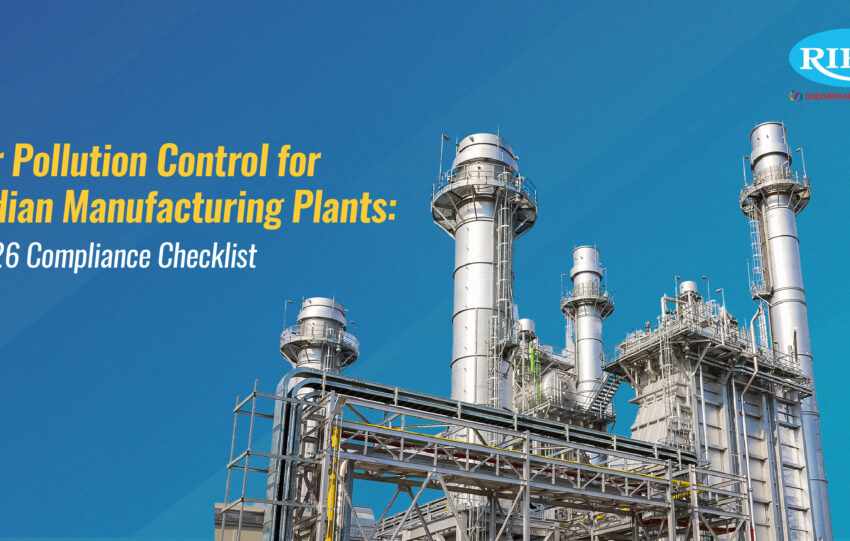
What Does Air Pollution Control Compliance Mean in 2026?
Key Regulatory Frameworks to Consider
Core Components of an Air Pollution Control System
2026 Compliance Checklist for Manufacturing Plants
Common Compliance Gaps in Indian Plants
Role of System…
Table of Contents
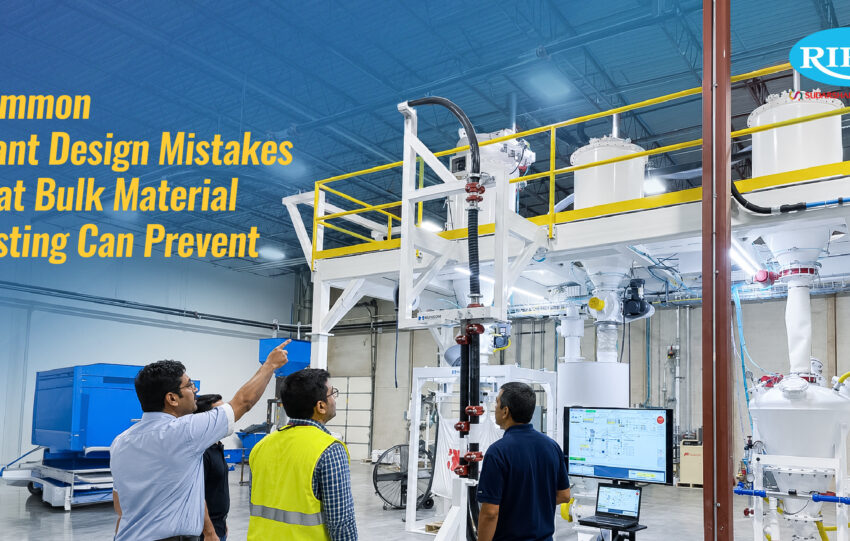
Why Plant Design Fails Without Material Understanding
How Bulk Material Testing Solves These Issues
Conclusion
Design decisions are often locked in long before the material is fully understood in bulk processing plants. Equipment is selected, layouts are finalised, and only during commissioning do the real problems begin to surface.…
Table of Contents
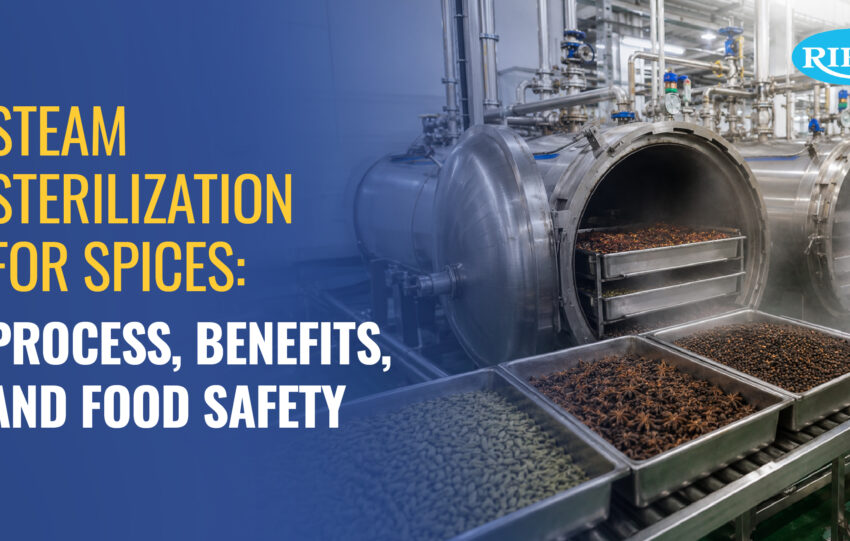
What is the Steam Sterilization Process for Spices?
How Does a Spice Sterilization Machine Ensure Food Safety?
Why is Continuous Steam Sterilization Better Than Traditional Methods?
What are the Primary Benefits of Chemical-Free Sterilization?
Conclusion: The Future of Global Spice Export Standards
In the global food supply…
Table of Contents
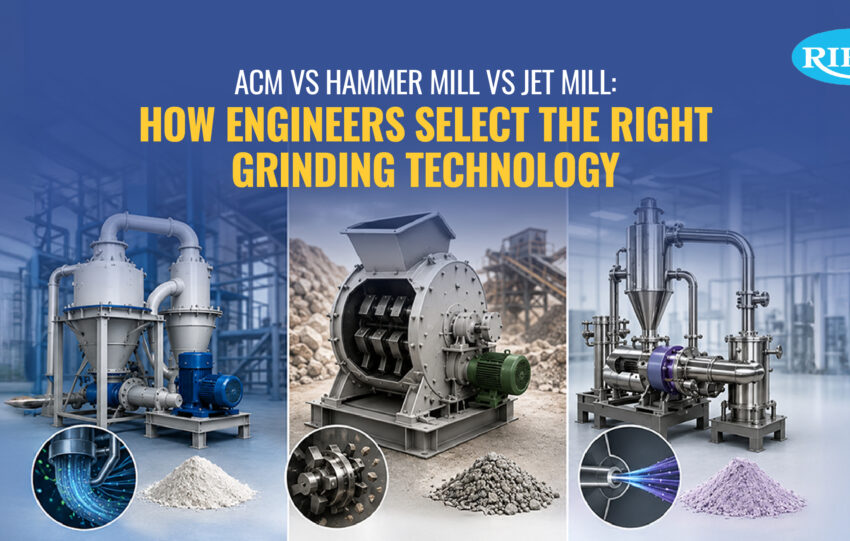
The Workhorse: Hammer Mills
The Precision Tool: Air Classifying Mills
The Ultra-Fine Specialist: Jet Mills
Comparison: ACM vs Hammer Mill vs Jet Mill
The RIECO Advantage: More Than Just Machines
Choosing the right milling equipment often feels like a high-stakes balancing act between particle size, energy costs,…
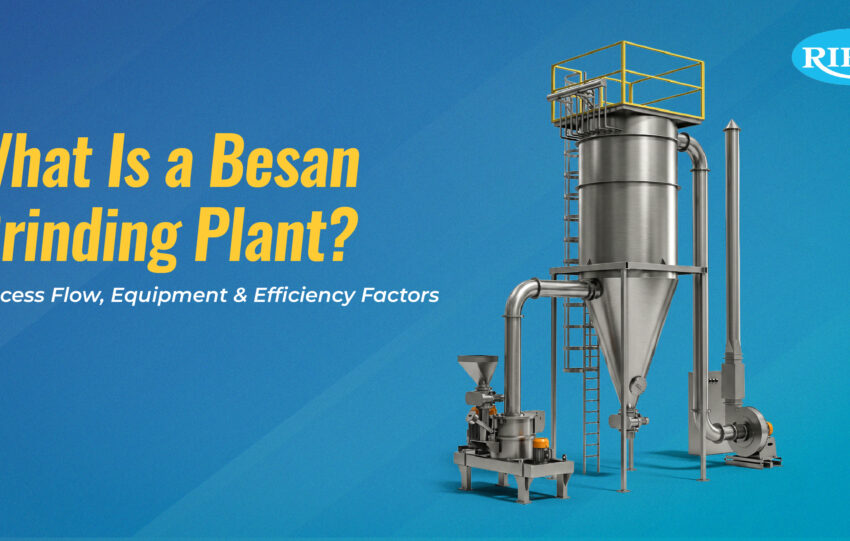
Besan (gram flour) is a staple ingredient in South Asian cooking and an ingredient in a growing range of industrial food products. A Besan Grinding Plant is an industrial set-up that converts cleaned chickpeas (or split gram/dal) into consistent, food-grade flour at a commercial scale. This blog explains the typical besan manufacturing process,…
Table of Contents
What Is Pneumatic Conveying?
What Is Mechanical Conveying?
Comparison Table
Maintenance and Operational Differences
Choosing Based on Material and Plant Needs
Conclusion
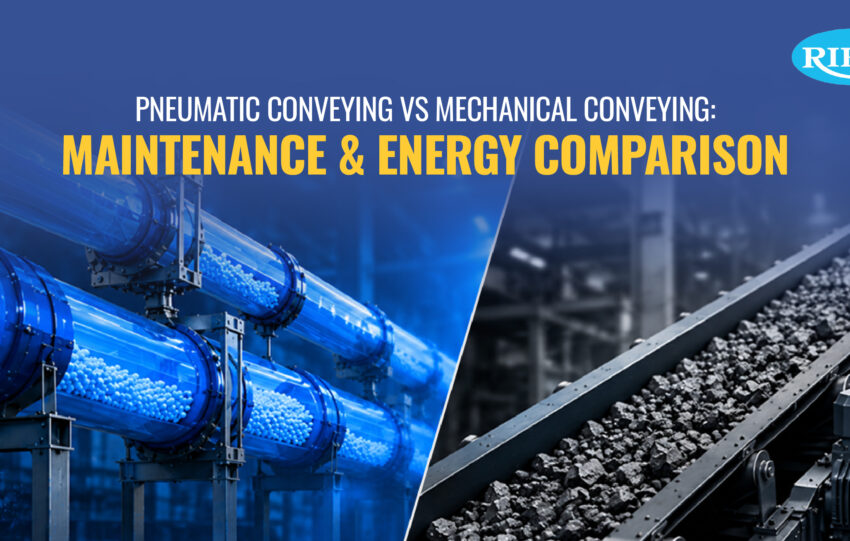
Choosing between pneumatic conveying and mechanical conveying depends on material type, plant layout, and budget. While mechanical systems offer lower power consumption,…
Table of Contents
What Is Pneumatic Conveying?
Most Common Issues (Blockages, Wear, Leakage)
Causes & Corrective Actions
Best Practice Guidelines
Conclusion
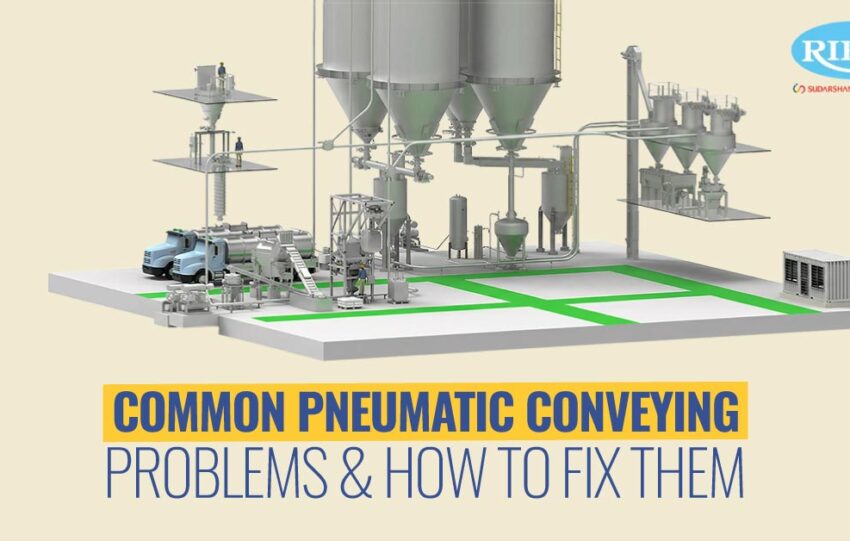
Pneumatic conveying systems are widely used across industries such as cement, chemicals, food processing, power, and minerals for moving powders and bulk solids in a clean, enclosed manner. While…
Table of Contents
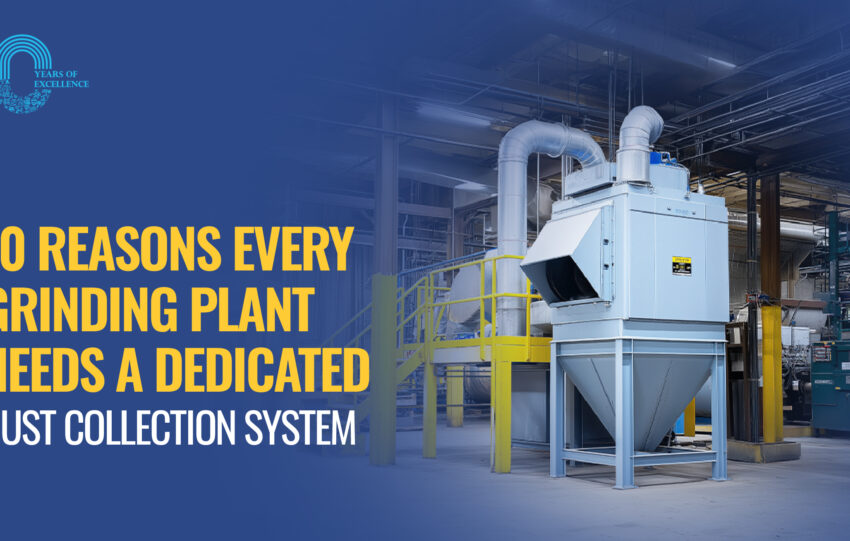
Why Grinding Plants Need Dust Collection
Key Reasons Every Grinding Plant Should Invest In A Dedicated Dust Collection System
Enhanced Worker Safety
Regulatory Compliance
Improved Product Purity
Better Equipment Longevity
Higher Production Efficiency
Reduced Housekeeping Costs
Fire & Explosion Prevention
Improved…